How MaxLevels Engineered OraQ AI's FDA-Cleared Dental Clinical Decision Support Platform
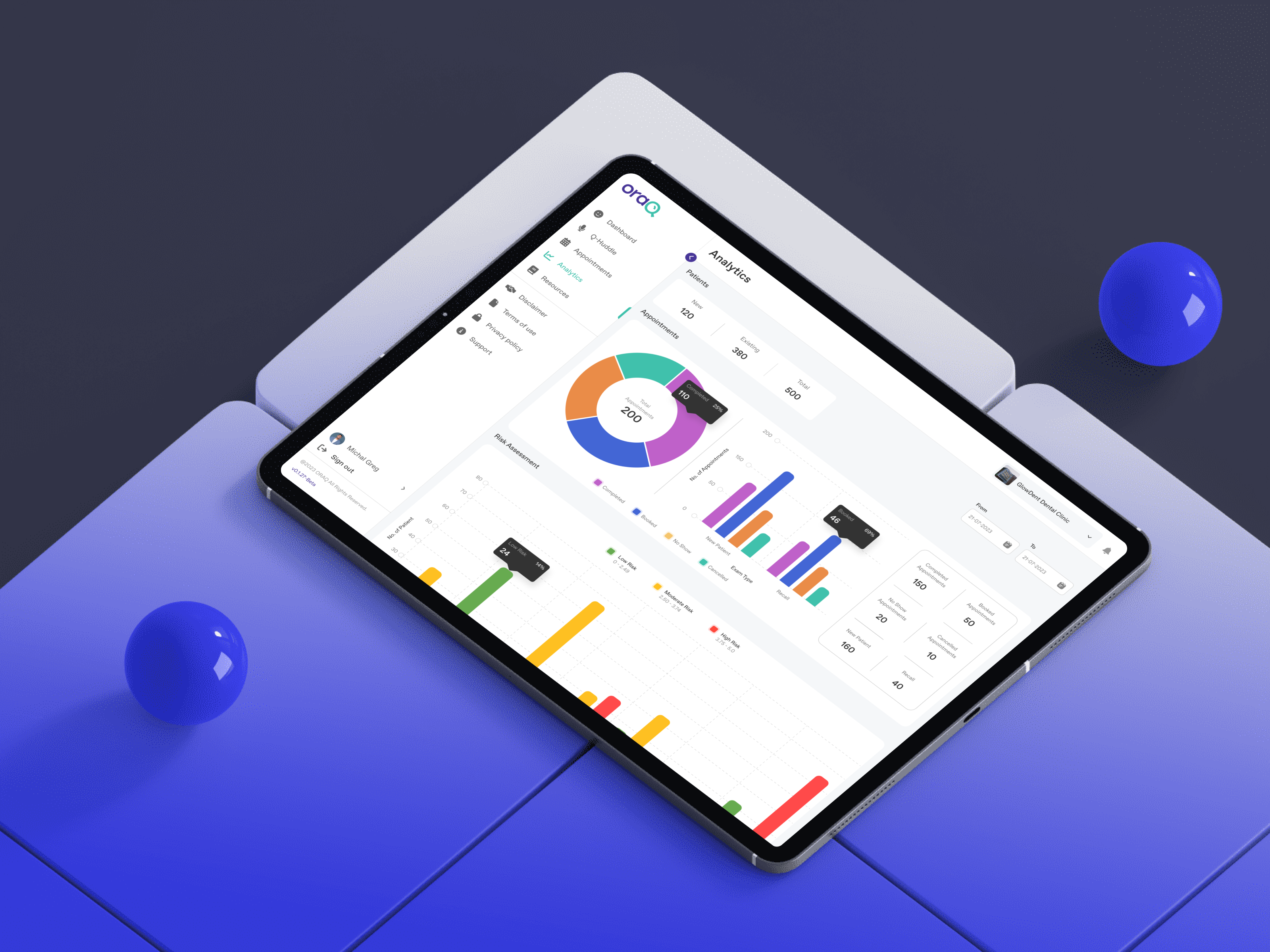
MaxLevels partnered with OraQ AI, a Calgary-based dental technology company, to engineer the AI clinical decision support platform, including patient risk-scoring models, practice management system integrations, and the cloud infrastructure supporting FDA and Health Canada compliance. OraQ™ is now FDA- and Health Canada-cleared, integrates with major practice management systems including Dentrix, OpenDental, and ClearDent, and helps dental practices lift case acceptance from an industry-standard 30–40% to as high as 70%.

Built AI/ML risk-profiling models trained on standardized patient assessment data

Engineered integrations with Dentrix, OpenDental, and ClearDent practice management systems

Built cloud architecture supporting FDA/Health Canada regulatory requirements

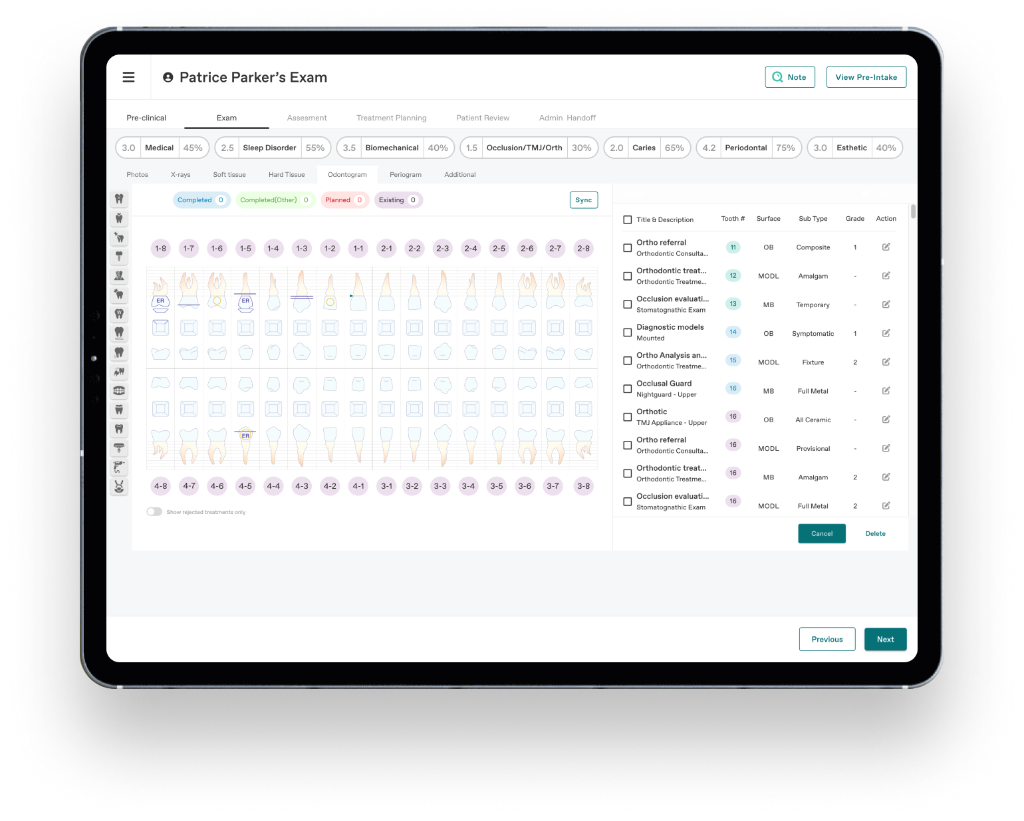
Built digital odontogram and periodontal (perio) charting tools, letting clinicians capture tooth-by-tooth and gum-health findings directly into the standardized exam

OraQ™ is FDA- and Health Canada-cleared, privacy and regulatory compliant

Practices using OraQ™ report up to 70% case acceptance vs. a 30–40% industry standard, and $250–$330 in additional treatment recommendations per exam
At a Glance
Client
OraQ AIIndustry
Healthcare, Dental Technology
Headquarters
Calgary, Alberta, Canada
Engagement
Dedicated hire team, ongoing partnership since 2021
Regulatory Status
FDA-cleared and Health Canada-approved; privacy and regulatory compliant
Services Provided
AI/ML model development, practice management system integrations, cloud architecture, web/mobile app development, digital odontogram and periodontal charting tools
Backing
$2.6M CAD seed round (2024), led by AngelMD
Stack
Python, FastAPI, PyTorch, Node.js, React.js, Hugging Face, LLMs, LangChain, PostgreSQL, AWS, FHIR, HL7, DICOM, HIPAA
Founders
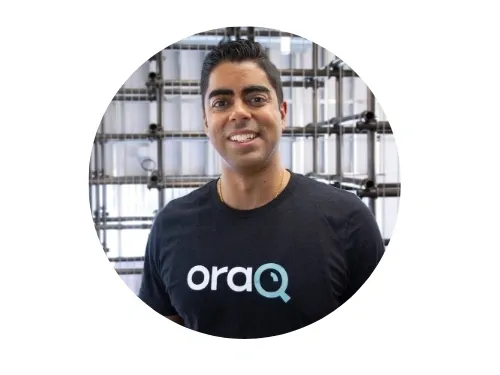
CEO & Founder
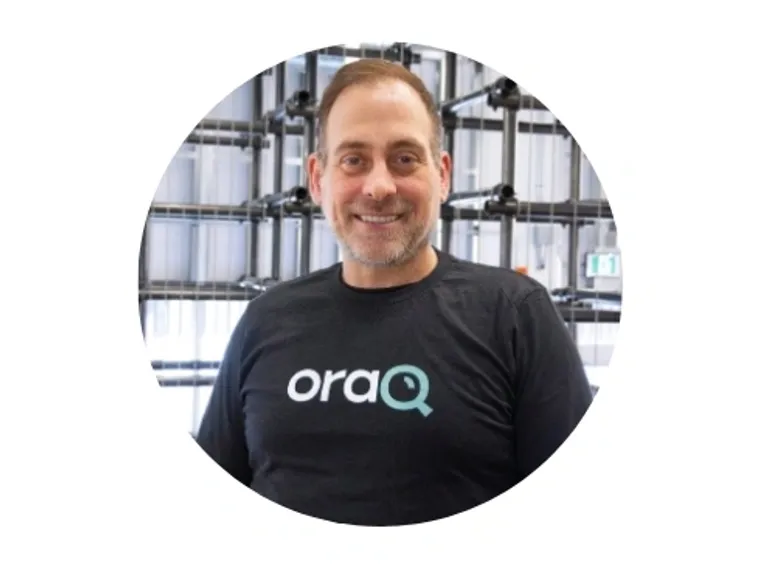
Co-Founder & Chief Clinical Officer
STANDARDIZATION TIME
PROCESSED
vs. 30–40% industry standard,
OraQ's own reported figure
Why This Had to Be Built
Traditional dental exams vary enormously by clinician: one dentist catches an early sign of sleep apnea or a periodontal risk pattern, another doesn’t, not from lack of skill, but because there’s no standardized way to bring a patient’s full health history, imaging, and exam findings together into one consistent risk picture. Dr. Amreesh Khanna, OraQ’s founder, experienced the operational side of this problem directly, he built and lost a dental practice to Calgary’s 2013 flood, then returned to the University of Alberta’s Faculty of Medicine and Dentistry to research how machine learning could bring more consistency to clinical decision-making before founding OraQ in 2021. The result is a platform built to reduce that variability, standardizing patient risk assessment from intake through treatment planning, at a moment when most dental AI has focused narrowly on reading x-rays rather than the whole patient.
The Challenge

Inconsistent exam data across clinicians
Without a standardized structure, patient risk assessments varied by clinician, making it hard to train reliable AI models on top of the data

Fragmented practice management integrations
Dental practices run on different systems (Dentrix, OpenDental, ClearDent, and others), each

Regulatory bar for clinical AI
FDA and Health Canada clearance meant the platform had to meet a higher standard for accuracy, auditability, and data handling than typical practice software
MaxLevels has been an excellent development partner for ORAQ AI. Their team understood our vision quickly and consistently delivered high-quality solutions with strong technical expertise and attention to detail.
How OraQ Supports a Clinical Exam
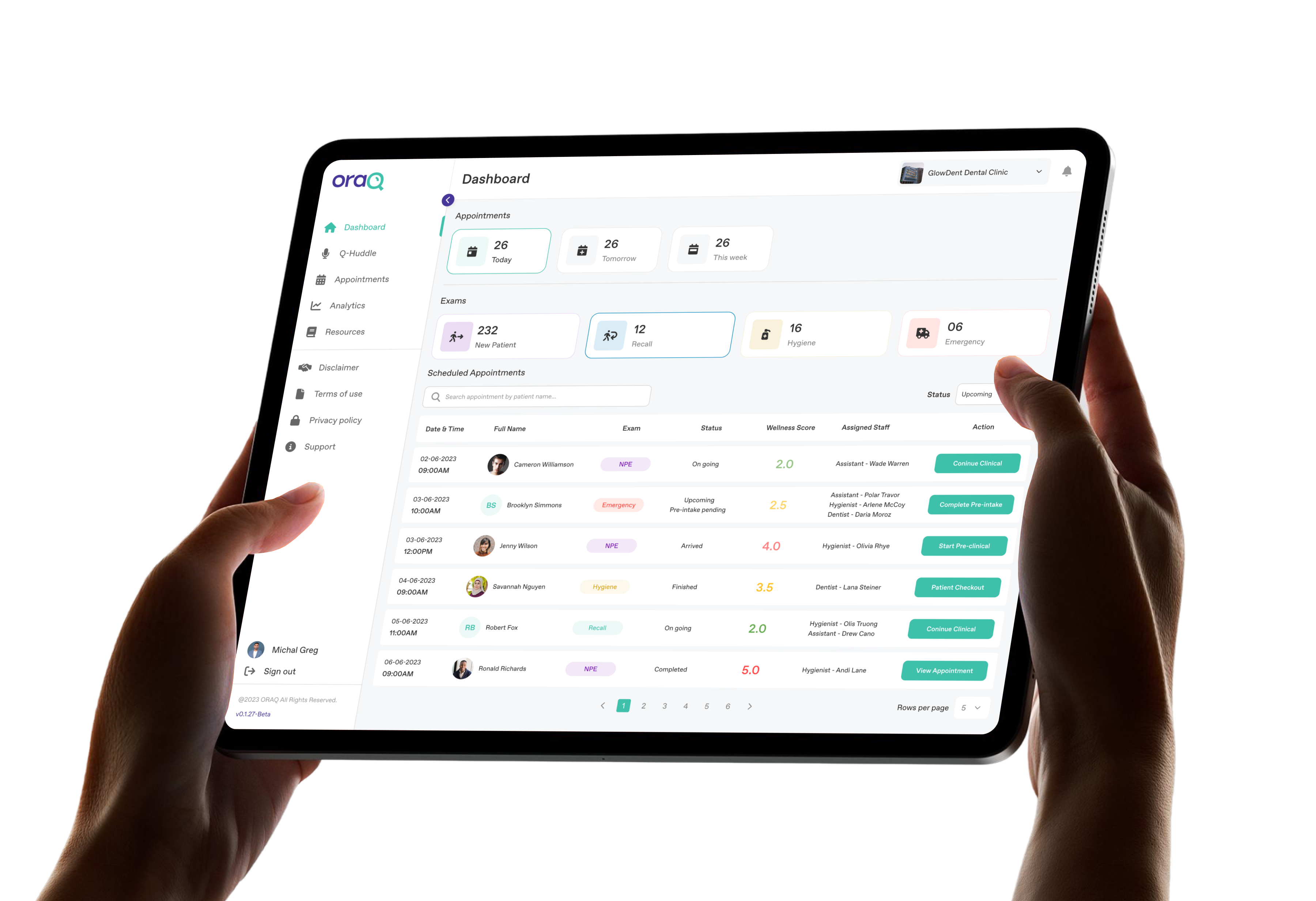
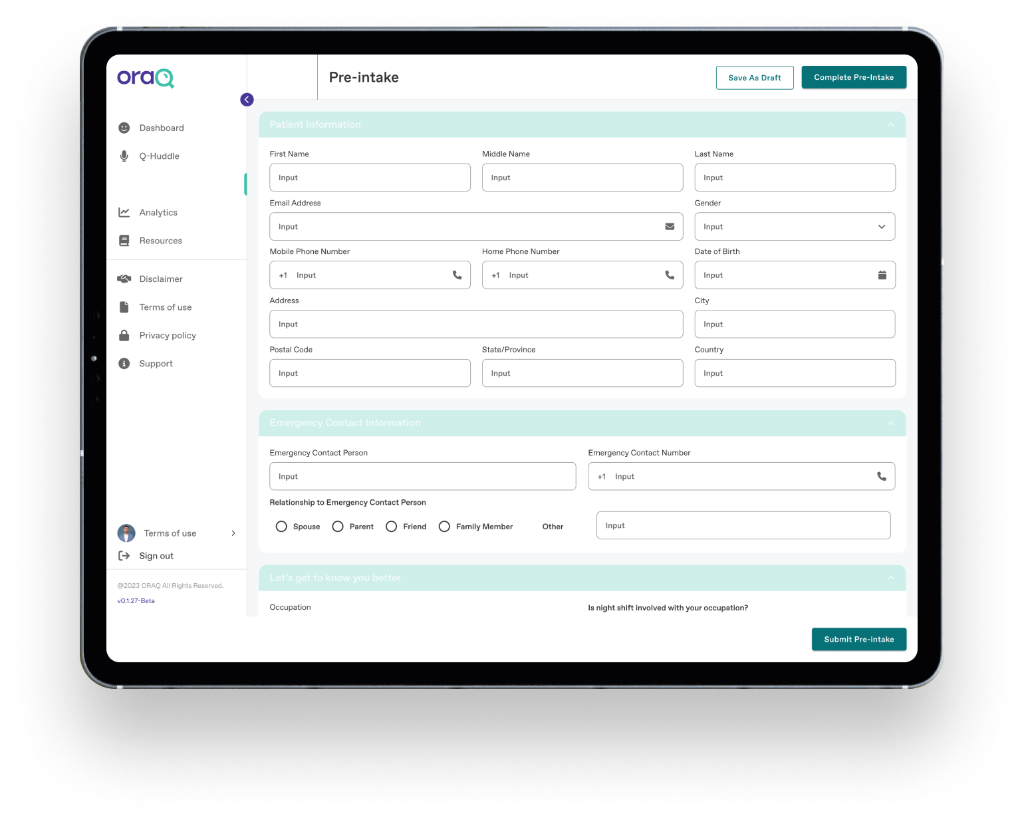
Pre-visit intake A patient completes an electronic form covering personal information, medical and dental history, biometrics, and preferences before ever sitting in the chair.
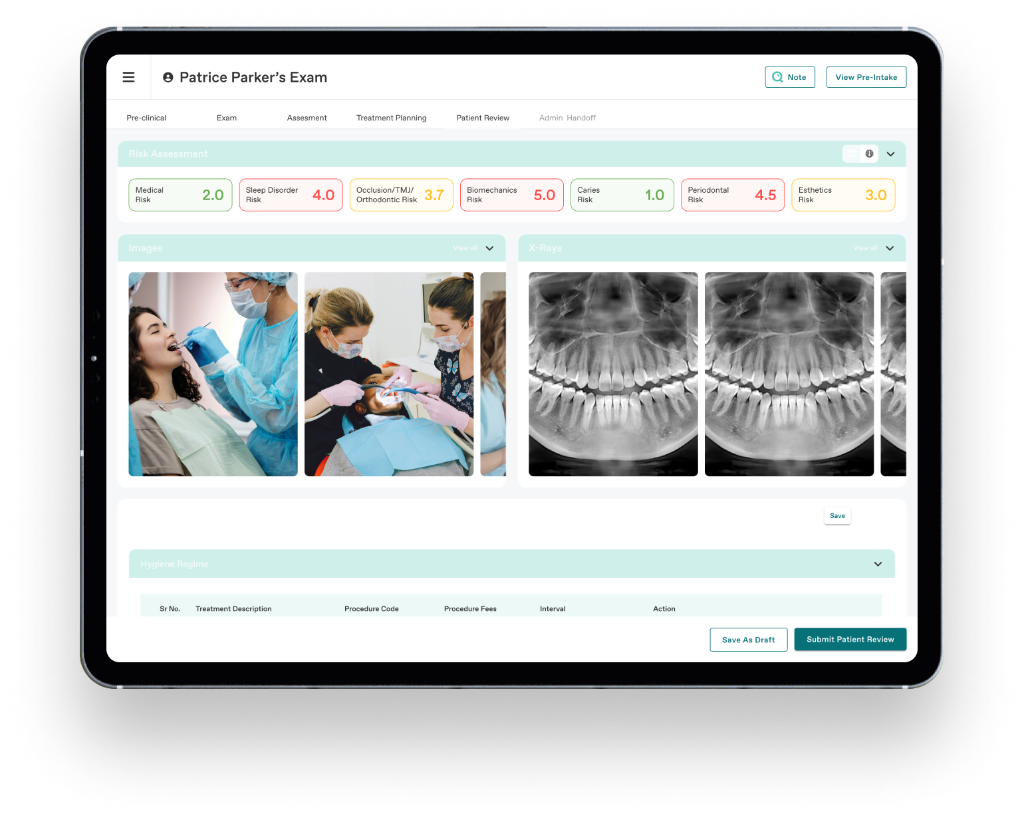
Data consolidation Before the exam, the dentist reviews consolidated patient data through an intuitive dashboard, pulled from the practice management system rather than
re-entered by hand.
Standardized exam, Exam findings, imaging, and radiography are captured directly into OraQ, replacing the traditionally wide variation in how different clinicians conduct the same exam. This includes a digital odontogram (a tooth-by-tooth chart of existing restorations, decay, and conditions) and a periodontal chart (gum pocket depths, recession, and bleeding points), so the standardized exam captures the same structured detail a paper chart would, but in a format the AI layer can actually reason over.
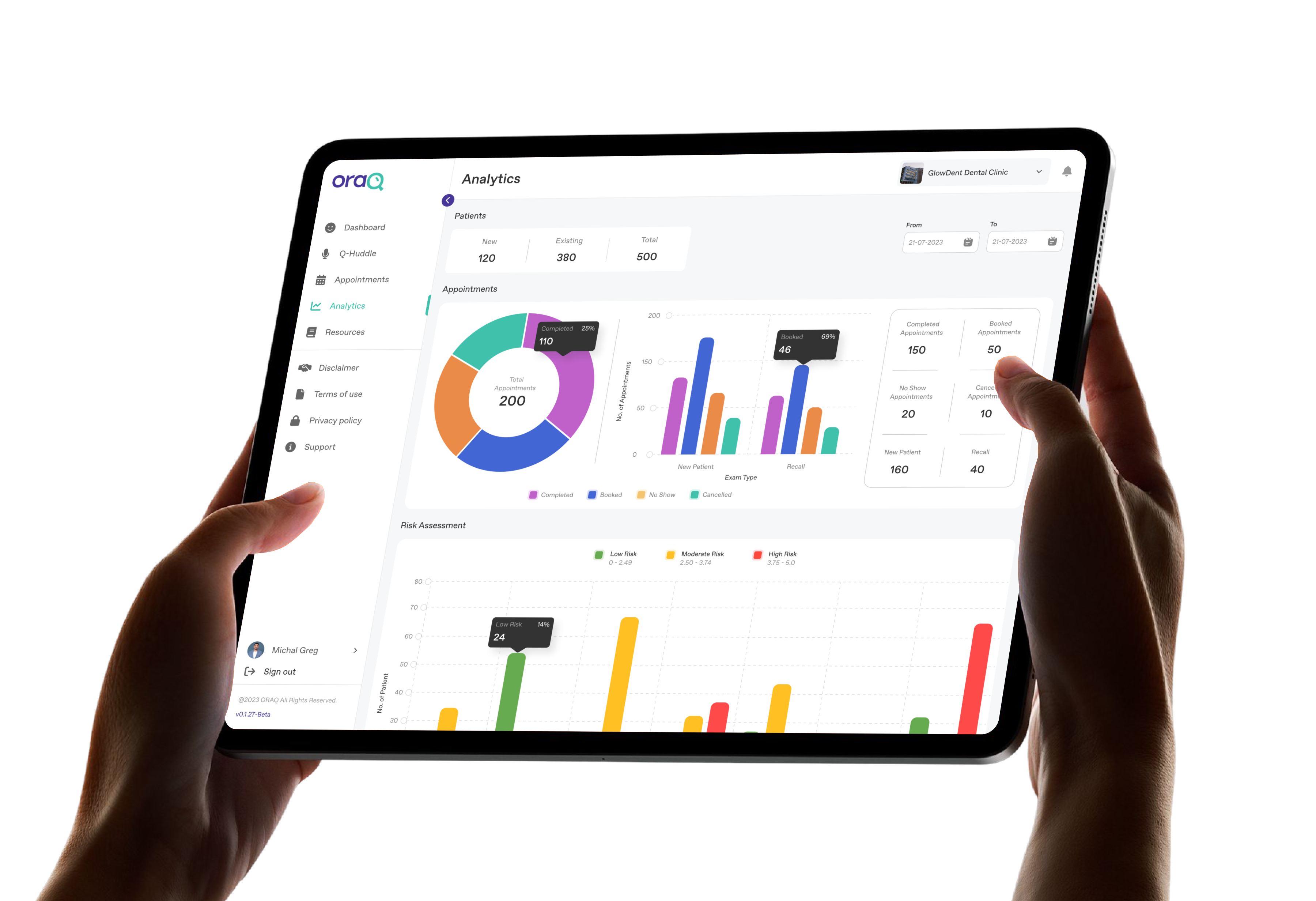
AI-assisted risk profiling OraQ's AI/ML engine analyzes the consolidated data to surface missed treatment opportunities and generate a personalized risk and recommendation profile.
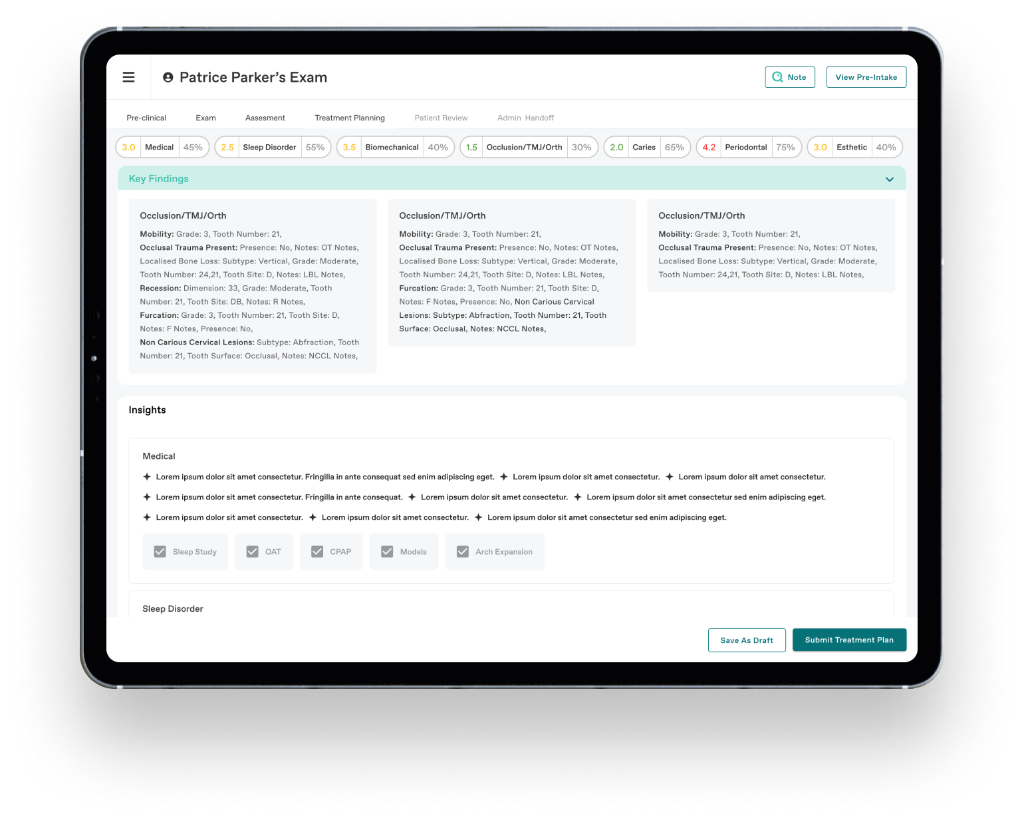
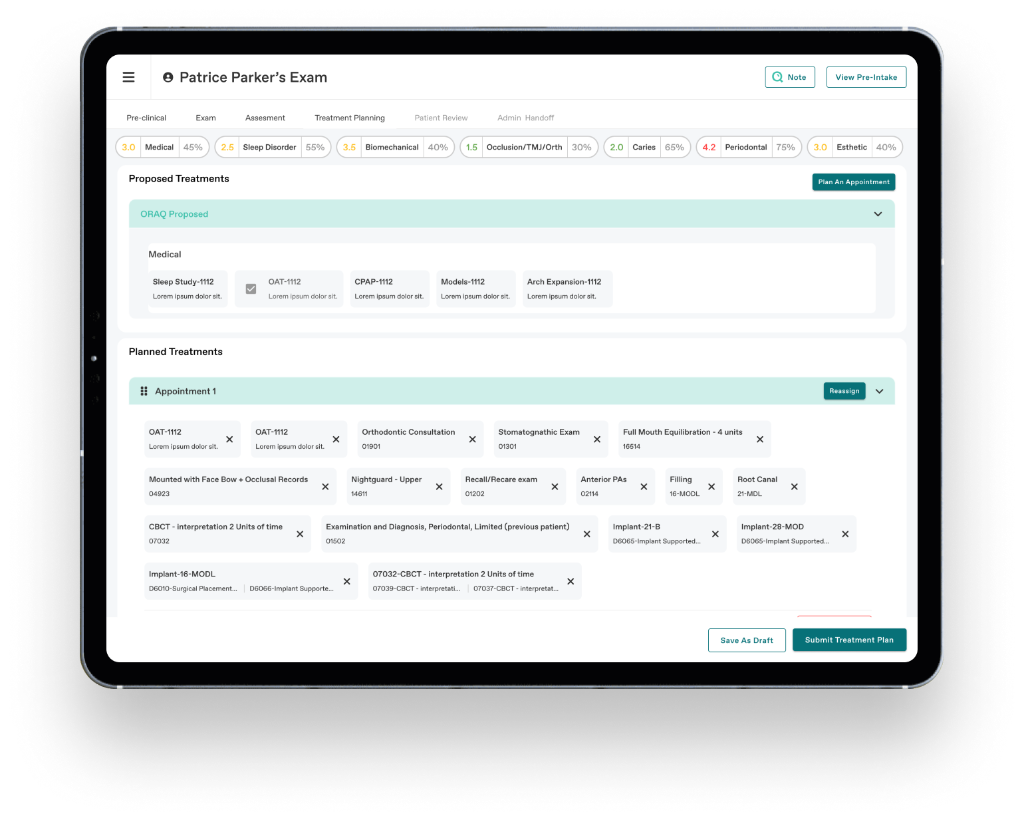
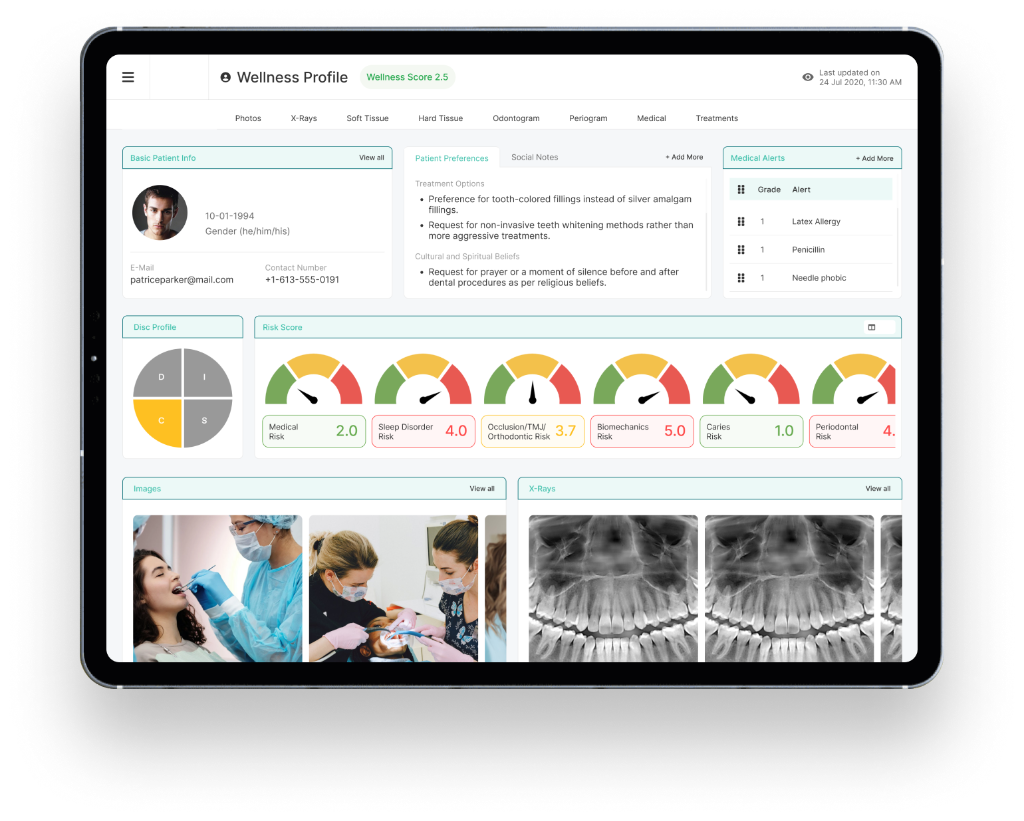
Shared decision-making The dentist and patient review the visual wellness profile and risk scores together, patients can watch their own risk dial move from red to green as treatment progresses, building the transparency that drives case acceptance.
Engineering Decisions Worth Knowing About

Structured intake as the foundation for reliable AI. Standardizing the patient intake form itself, before any AI touches the data, would be what makes the downstream risk-scoring model trainable and consistent, feeding a model on inconsistent exam data produces inconsistent recommendations.

Explainable scoring over black-box output. A dentist has to defend a treatment recommendation to a patient in the room. A risk-scoring model built to show why it flagged something, not just a number, is what makes clinicians willing to act on it.

Compliance considerations built into data architecture from the start. Given FDA/Health Canada clearance requirements, decisions like audit logging, data retention, and access control likely needed to be part of the initial architecture rather than retrofitted.

A unified integration layer instead of one-off connectors. Rather than building a separate custom connector for every practice management system, a shared integration layer with system-specific adapters would let new systems (beyond Dentrix, OpenDental, and ClearDent) be added without reworking the core platform.

Digital odontogram and periodontal charting, not scanned paper forms. Traditional dental charting is often still paper-based or locked inside proprietary practice management screens that don’t export cleanly. Building odontogram and perio charting as native, structured digital tools inside OraQ means every tooth condition and gum-health measurement becomes usable data for the risk-scoring engine, not just a record a dentist can look at but the AI can’t.
Built for Regulatory Trust
A clinical decision support tool used in a real dental exam has to clear a higher bar than most consumer software: OraQ™ carries both FDA clearance and Health Canada approval, and is built to be privacy and regulatory compliant from the ground up. [This likely involved encrypted data storage and transmission, role-based access control, and audit trails on every AI-assisted recommendation, confirm specifics before publishing.]
The Results
More than double the 30–40% industry standard, per OraQ’s own reported data
Per new patient exam or recall exam, directly tied to the platform surfacing previously missed needs
2X unidentified patient needs to drive significant dental practice growth.
$2.6M CAD seed round (2024), led by AngelMD